Key Engine Components Every Auto Parts Supplier Should Stock
December 12, 2024
Tips for Sourcing and Exporting High-Quality Radiator Caps
December 12, 2024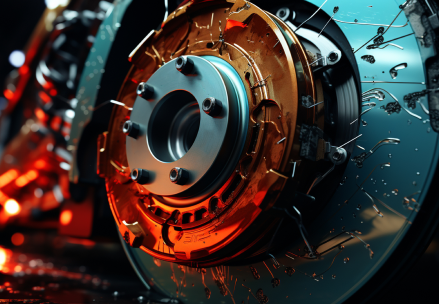
When it comes to buying brakes and clutch in large lots, the main idea is to get an option that would be in the middle – balanced, reliable, and only slightly trustworthy. After all, brakes and clutches are some of the most essential vehicle components that ensure the world stays in motion and slows down when necessary, so one cannot invite a supplier who takes shortcuts. But fear not! This guide is here to hold your hand gently through the process while providing tips on how to find good suppliers and some levity too.
Step 1: Begin with the Basics – Know What It Is
Supplier hunting needs to be planned, that is why before running headlong into the process, it is necessary to determine what exactly is required. Do you require brake pads, clutch plates or both? Are you in dire need of automotive, motorcycle or industrial parts? Holistically it can be compared to preparing a list of items that one wants to buy before going to a supermarket. This means that entering the “supplier supermarket” with a vague goal in your mind is a recipe for making a snap (and most likely a bad) decision.
Step 2: Due to the nature of this project, proven by a lot of research, research and more research
As much as the internet can be your best friend, it can also be your worst enemy when it comes to identifying suppliers out there. Even if you simply enter the search query “reliable suppliers for brake and clutch parts” you get a plethora of results. Well then how does one differentiate the good from the bad?
- Check Reviews: Consider using social media to find out people’s experience. If the supplier has positive feedback from their clients who narrate their experience in a way that does not seem computer generated then it is positive feedback.
- Verify Credentials: Are they ISO-certified? If they meet the standard of the industry or occupation that they are in? These types of certifications might sound even somewhat tedious, but they are vital.
- Peek at Their Website: If their website looks like it hasn’t been updated since the early 2000s, do not trust this company.
Step 3: Put On Your Sherlock Holmes Hat – Do Your Homework On Them
After you have your list of suppliers, take time to endeavor more on the suitable ones. What is their length of operation? That is why depending on regular experienced suppliers is always productive, they will not disappear when you place a large order with them. Also ensure you request your potential client to provide you with proof of other people he has assisted and actually contact them. Yes it might sound a little awkward to be calling up some none known individual to inquire about brake parts, but it is worth it.
Step 4: Quality Assurance – It is Better to Get it Right
In the case of the brakes and clutches, there is only one thing that remains absolutely unchanged, and that is quality. There are not many things worse in auto design than having to use a badly manufactured brake pad; no one wants that on their record. Companies should inquire from its suppliers about their mode of production, measures taken to ensure quality production as well as if they warrant their products. However, a good supplier will not feel uncomfortable when answering these questions – as if we are in a crime drama show.
Step 5: Price vs. Value: Do Not Act Stingy
Now, before you groan and roll your eyes about how much everyone enjoys a bargain, hear us out. However, when purchasing brake and clutch parts in bulk it is important not to just go for the cheapest alternative. Search for an affordable supplier for your products while avoiding low quality products. It’s like the decision between buying worn out low quality shoes or buying a good quality shoe that can last for years. Yes, the latter may be pricier initially, but your feet, and your wallet, will appreciate it down the road.
Step 6: Ask About Logistics – Timing Is Everything
Good suppliers know that time delivery of consignments is important in the supply chain process. Just think about ordering something and having to wait for several months to receive it only to figure out it is the wrong delivery! Avoid this nightmare by asking:
- What is the estimated time of delivery for the receipt of the order?
- Is the tracking information provided?
- How do they respond to such factors as delays and emergencies?
Extra credit for those who have a customer service team who answers the telephone when you call them.
Step 7: Discount and Flexibility for Bulk Order
You’re buying in bulk, so why don’t you try to negotiate its price on the basis of the large quantity of product you are intending to purchase? Most of the suppliers provide some sort of discount especially on large consignments. There is however one thing I want to note, everyone who goes shopping should always be ready to bargain. A bit of bargaining is good at times. Also, if they are willing to take orders of any small or large quantity and if they are open to any specifications.? Established suppliers will not mind dealing with you than having to adhere to the terms as contained in the trade standards.
Step 8: Sustainability and Ethics – Think Green Stay Clean
Being environmental and socially responsive is significant today in this world. Ensure that your supplier of the products uses real and sustainable materials in the production process. Buying from companies that are gainfully employing their workers while ensuring that the world we live in is habitable is not only blessings to shower on the suppliers, it is wise for business.
Step 9: Test Before You Commit
Never order large quantities of products to sell first try ordering a small amount of products to use. When using the special trial run, you get an opportunity to assess the supplier in areas of quality of product quality, communication, and efficiency of delivery. It is like a marriage; we don’t go for proposal on the first day, do we?
Step 10: Develop a Partnership – The Supplier is Your Ally
If you find a reliable supplier, make sure to maintain it. Don’t treat them as inferior to you or less important, they are your partner. Main and direct communication, performance expectations and dependable mutual consideration can help in creating a good partnership. They may even put your orders first during their busy months!
Final Thoughts: The Brake (and Clutch) Stops Here
Selecting a quality brake and clutch parts supplier that meets hiring requirements shouldn’t be a difficult task. If you have done your research, asked the right questions and used your instincts you will be able to identify a supplier that meets most of your criteria. And let’s not forget, we work in the brake and clutch world and when it comes to reliability, it is not a catchphrase, it is our promise.
So do not hesitate and apply these tips, and brake for no one (at least not for traffic lights). And let’s be honest, the right supplier is surely a few minutes of research, a good negotiation, and perhaps even a distance away!